
When customizing apparel, the printing material affects the final look, feel, and durability. Traditional plastisol and water-based inks have long dominated the industry, but garment printing silicone is now gaining attention from brands, designers, and print shops. This article breaks down the key advantages of silicone over traditional inks to help you make an informed choice.
Understanding the Basics: Silicone vs. Traditional Inks
Before diving into the benefits, let’s briefly define each option. Traditional inks typically include plastisol (PVC-based), water-based, or discharge inks. They have been the industry standard for decades, offering reliable results at a lower cost. On the other hand, garment printing silicone is a 100% solid, solvent-free material that cures into a flexible rubber-like film. Unlike traditional inks, it contains no plasticizers, phthalates, or heavy metals. This fundamental difference is where many of silicone’s advantages begin.

Key Advantages of Silicone for Garment Printing
Eco-Friendly and Non-Toxic
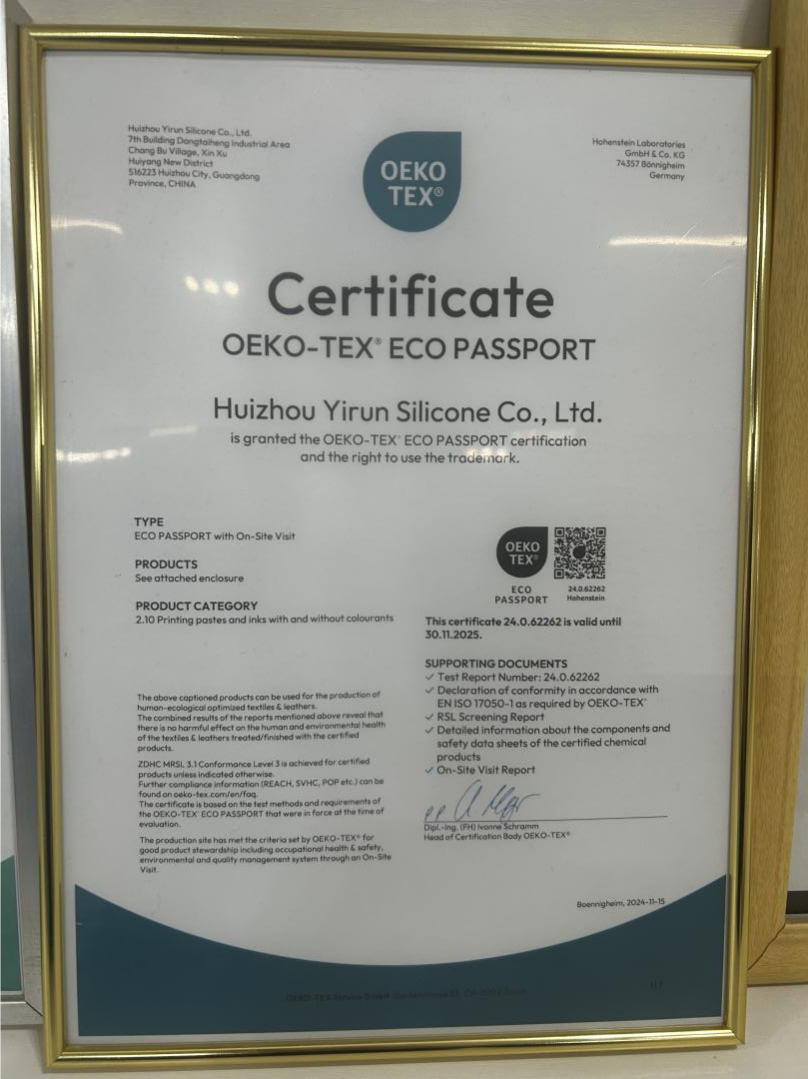
One of the most compelling reasons to switch to silicone is its environmental and health safety. Traditional plastisol inks release volatile organic compounds (VOCs) and often contain phthalates—chemicals linked to health concerns. Garment printing silicone, in contrast, is completely free of hazardous substances. It is non-toxic, odorless, and produces no harmful emissions during curing. For brands aiming for sustainability certifications (such as OEKO-TEX or GOTS), silicone is a clear winner.
Superior Durability and Wash Resistance
Have you ever had a favorite t-shirt design crack or fade after a few washes? That’s a common issue with traditional inks, especially when printed on stretchy fabrics. Silicone forms a highly elastic bond that moves with the fabric without breaking. It withstands repeated machine washing, drying, and even scrubbing without losing color intensity or adhesion. Many silicone prints remain intact for the entire lifespan of the garment—outlasting traditional ink prints by years.
Soft and Breathable Hand Feel
Nothing ruins a premium garment like a stiff, heavy print that feels like plastic. Traditional plastisol inks often sit on top of the fabric, creating a thick, less breathable layer. Silicone, however, can be formulated to cure into an ultra-thin, soft film that feels almost like part of the fabric itself. It allows air and moisture to pass through, keeping the wearer comfortable. This is especially valuable for activewear, baby clothes, and high-end fashion where comfort is non-negotiable.
Vibrant Colors and 3D Effects
Silicone printing unlocks design possibilities that traditional inks struggle to achieve. Because silicone is naturally clear and highly pigmented, colors appear brighter, deeper, and more consistent—even on dark fabrics. Additionally, silicone can be layered to create raised, three-dimensional textures (commonly known as 3D silicone prints). These tactile designs add a premium, modern look to logos and patterns. Traditional inks can create puff prints, but they lack the crisp edge definition and durability of silicone.
Excellent Adhesion to Difficult Fabrics
Not all fabrics are created equal. Technical materials like nylon, polyester, spandex, and coated performance fabrics often reject traditional inks, leading to peeling or bleeding. Silicone bonds exceptionally well to these challenging surfaces because its chemical structure is compatible with a wide range of synthetic fibers. This makes it the go-to choice for sportswear, outdoor gear, and medical uniforms where reliability is critical.
Where Traditional Inks Still Have a Place
Despite silicone’s many strengths, traditional inks are not obsolete. For large-volume, low-budget orders where high durability is not required, plastisol remains cost-effective. Water-based inks also offer a soft hand feel, though they lack silicone’s wash resistance on stretch fabrics. Additionally, traditional inks are more widely available and familiar to most print shops. However, for premium products, eco-conscious brands, or performance apparel, the advantages of garment printing silicone are hard to ignore.
Making the Right Choice for Your Printing Needs
When deciding between silicone and traditional inks, consider these three factors:
- End use – Will the garment be washed frequently, stretched, or worn during sports? Choose silicone.
- Design complexity – Do you need 3D effects or ultra-bright colors on dark fabric? Silicone excels here.
- Budget and volume – For large runs of simple designs on cotton, traditional inks may save money. For smaller, high-value batches, silicone delivers a superior return on investment.
If you are a brand owner, designer, or print shop looking to stand out with durable, safe, and beautiful prints, testing silicone on your next sample run is a smart move.
Conclusion
Garment printing silicone offers clear advantages over traditional inks in eco-friendliness, durability, comfort, color vibrancy, and fabric compatibility. While traditional inks still serve budget-driven or basic applications, silicone is rapidly becoming the premium standard for modern apparel printing. By choosing silicone, you not only improve product quality but also align with safer, more sustainable manufacturing practices.
GET IN TOUCH
Schedule a Visit
Frequently Asked Questions (FAQ)
1. Is garment printing silicone more expensive than traditional inks?
Yes, silicone typically has a higher upfront cost per kilogram compared to plastisol or water-based inks. However, because silicone prints require less material to achieve opacity and last much longer, the total cost of ownership can be lower—especially for premium products where returns or complaints are costly.
2. Can silicone printing be used on 100% cotton t-shirts?
Absolutely. Silicone adheres well to cotton, though it is most valued for difficult fabrics like polyester and spandex. On cotton, it provides a super soft hand feel and excellent wash durability, making it a great choice for high-end cotton apparel.
3. Does silicone printing feel rubbery or sticky?
When properly cured, high-quality garment printing silicone feels smooth and flexible, not sticky. Some lower-grade silicones may feel tacky, but professional formulations produce a dry, soft, almost matte finish that is comfortable against the skin.
4. How does silicone printing compare to water-based inks?
Water-based inks absorb into fabric fibers, offering a soft feel, but they tend to fade faster and struggle with dark fabrics. Silicone sits on top of the fabric but remains thin and breathable. It offers far better color brightness on dark backgrounds and superior wash resistance, though water-based inks are more eco-friendly than plastisol (but still less so than silicone).
5. Can I achieve a raised 3D effect with silicone?
Yes, this is one of silicone’s signature advantages. By applying multiple thin layers or using a higher-viscosity silicone formula, printers can create sharp, raised logos and patterns that hold their shape through washing and stretching. Traditional puff inks produce a softer, less defined raise and often crack over time.