
- Schedule a Visit
- What Makes Glossy Silicone So Special?
- Key Benefits of Glossy Silicone Top Coatings
- Choosing the Right Glossy Silicone: Four Formulations Compared
- Technical Considerations for Optimal Gloss
- Industry Applications
- Why Quality Matters: The Xinguang Yirun Advantage
- Making Your Choice: A Quick Decision Guide
- Frequently Asked Questions (FAQ)
- Q1: What is the difference between glossy silicone and regular silicone ink?
- Q2: How do I apply glossy silicone for the best results?
- Q3: Is glossy silicone safe for direct skin contact?
- Q4: Can glossy silicone be used on all types of fabrics?
- Q5: How do I maintain the glossy finish after multiple washes?
In the world of premium apparel and textile decoration, glossy silicone has emerged as the go-to material for creating stunning, mirror-like finishes that elevate ordinary fabrics into extraordinary products. Whether you are a garment manufacturer, a screen printing professional, or a brand owner seeking to differentiate your products, understanding the nuances of glossy silicone top coatings can be the difference between a standard finish and a truly premium look.
This guide will walk you through everything you need to know about glossy silicone coatings—from the science behind the shine to selecting the right formulation for your specific application.
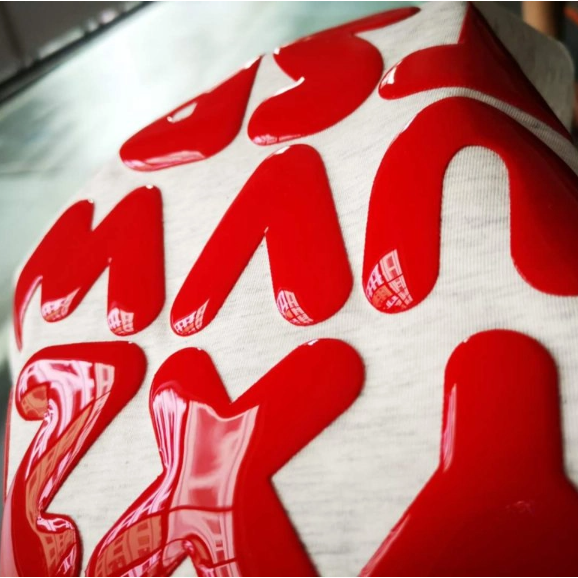
What Makes Glossy Silicone So Special?
Unlike traditional plastisol or water-based inks, glossy silicone coatings offer an exceptional combination of aesthetic brilliance and functional durability. The gloss effect comes from specular reflection, which requires the coating surface to be microscopically flat. When properly applied, a glossy silicone top coat creates a smooth, reflective surface that mimics the appearance of liquid glass.
The unique chemistry of silicone—specifically, its high refractive index resins and self-leveling properties—enables it to achieve this mirror-like finish while simultaneously providing outstanding durability. High-quality glossy silicones are formulated to resist blooming (the post-cure cloudiness that plagues lesser products) and maintain their clarity through multiple wash cycles.
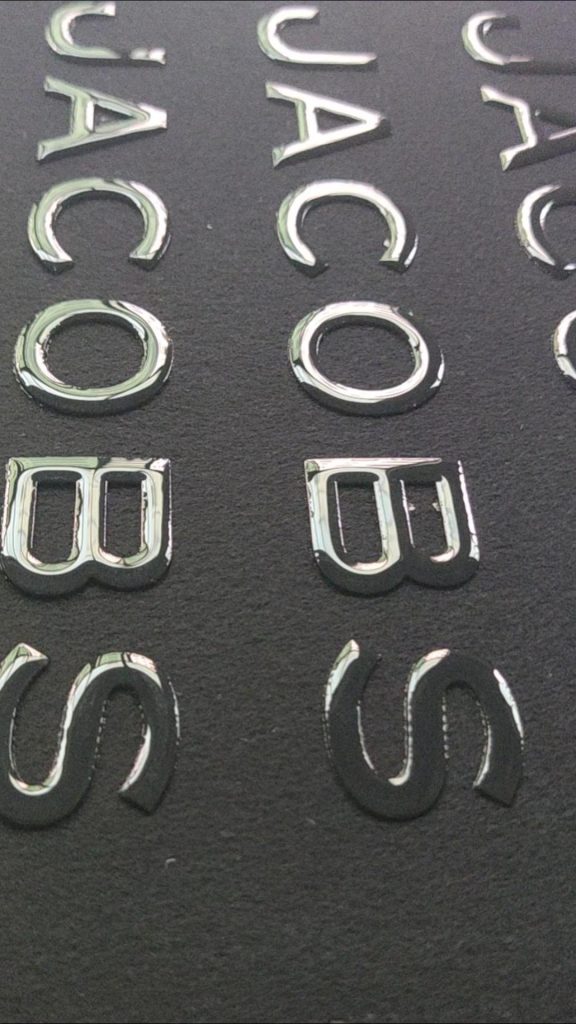
Key Benefits of Glossy Silicone Top Coatings
Exceptional Visual Appeal
A glossy silicone finish transforms the look and feel of printed designs. The high-gloss surface creates depth and dimension that catches the eye, making logos, patterns, and decorative elements stand out with vivid clarity. This is particularly valuable for luxury product packaging, high-end apparel branding, and consumer electronics where first impressions matter.
Superior Durability and Protection
Glossy silicone coatings do more than just look good—they actively protect the underlying design. These coatings resist scratches, abrasion, UV degradation, and chemical exposure. The hydrophobic (water-repellent) nature of silicone prevents liquid absorption, keeping prints looking fresh longer.
Environmental Compliance
Many glossy silicone formulations comply with stringent international standards including REACH, RoHS, and OEKO-TEX 100. This means they are free from harmful substances and safe for direct skin contact once cured, making them ideal for children’s wear, intimate apparel, and other sensitive applications.
Thermal and Chemical Resistance
Silicone coatings can withstand exposure to solvents, oils, and elevated temperatures without degrading. This makes them suitable for applications ranging from automotive interiors to industrial protective gear.
Choosing the Right Glossy Silicone: Four Formulations Compared
Not all glossy silicone products are created equal. Depending on your specific requirements—whether you need maximum elasticity, natural drying capability, or enhanced durability—different formulations will suit your needs. Below is a detailed comparison of four premium glossy silicone top coating solutions.
| Feature / Product | XG-399-3 | XG-399HR-1 | XG-399-2 | XGS-110S |
|---|---|---|---|---|
| Primary Attribute | Standard glossy finish | High elasticity & wear resistance | Natural drying (room temperature) | PU-modified glossy coating |
| Curing Method | Heat cure (low temperature) | Heat cure | Room temperature / self-drying | Specialized formulation |
| Best Suited For | General glossy top coating on fabrics | Stretch fabrics, performance wear, apparel with high movement | Energy-efficient production, manual screen printing | Industrial applications, durable glossy finishes |
| Key Strengths | Excellent gloss, fast leveling, bubble-free | Superior anti-abrasion, extreme flexibility, high elongation | Energy-saving, simplified process, construction-friendly | Enhanced durability, versatile substrate compatibility |
XG-399-3: The Standard-Bearer for Glossy Finishes
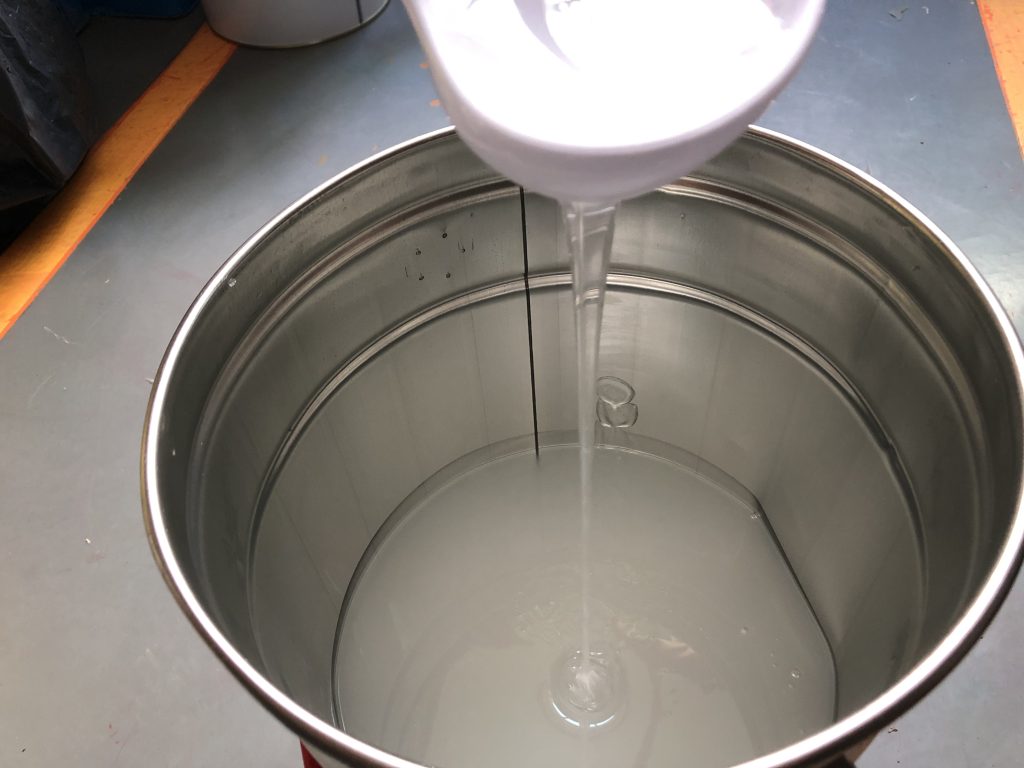
The XG-399-3 glossy silicone ink is designed for fabric applications requiring a transparent silicone or color layer for glossy top coating. It delivers excellent glossy results with fast leveling and no bubble problems—a critical advantage in production environments where efficiency matters.
This low-temperature heat cure silicone ink is formulated for machine printing and manual screen printing alike. When mixed with catalyst XG-866B-2 at a ratio of 100g ink to 2-3g catalyst and cured at 100–120°C, it produces a durable, high-gloss finish with exceptional fastness. However, while it offers super strong adhesion, its elongation rate is general—making it ideal for applications where the substrate doesn’t undergo extreme stretching.
Best for: Standard textile printing, garments with moderate stretch, logos and designs on stable fabrics.
XG-399HR-1: High-Elasticity Glossy Silicone for Demanding Applications
When your application requires both glossy aesthetics and extreme flexibility, the XG-399HR-1 (also referred to as XG-399HR) is the answer. This high-elasticity glossy silicone is specifically engineered for high-abrasion resistance, making it suitable for performance wear, athletic apparel, and garments that undergo significant movement and wear.
The product’s exceptional elongation rate—capable of stretching 400–500 times its original length—ensures that the glossy finish remains intact even on high-stretch fabrics like spandex blends and performance textiles. For heat transfer applications, glossy silicone 399HR can be printed 2–3 times with XG-866B-2 additive, followed by oven curing at 100°C for 40 minutes and heat stamping at 150°C.
Best for: Sportswear, Jockey apparel, performance wear, stretch fabrics, applications requiring high abrasion resistance.
XG-399-2: Natural Drying Glossy Silicone for Energy-Efficient Production
The XG-399-2 represents a different approach to glossy finishes. This natural drying glossy silicone cures at room temperature, eliminating the need for high-temperature baking equipment. This simplifies the production process significantly and reduces energy consumption—a meaningful advantage for facilities focused on sustainability and operational efficiency.
XG-399-2 is a high-transparency base screen printing ink suitable for technology patterns or designs that emphasize reflective vision. When mixed with catalyst XG-KB at a ratio of 100g ink to 10g catalyst, it cures at room temperature without heat cure requirements. This makes it ideal for manual screen printing, semi-automatic machine printing, and facilities where oven capacity is limited.
Best for: Energy-conscious production, manual screen printing, facilities without oven capacity, applications requiring room temperature curing.
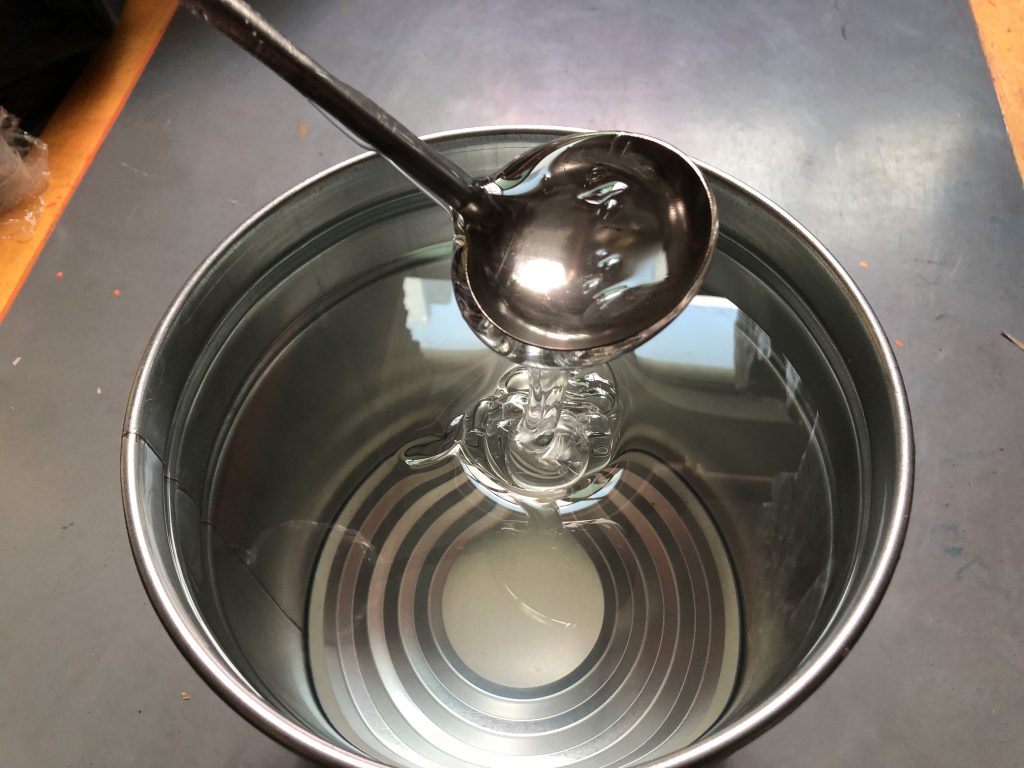
XGS-110S: PU-Modified Glossy Silicone for Enhanced Performance
The XGS-110S is a PU glossy silicone for top coating that combines the best attributes of silicone and polyurethane chemistries. This hybrid formulation offers enhanced durability and versatility across a broader range of substrates. Formulated with silicone and polyurethane, it is ideal for spray-coating applications on substrates including plastic, paper, and rubber.
The PU modification enhances mechanical strength and adhesion while maintaining the glossy aesthetic and protective properties characteristic of silicone coatings. This makes XGS-110S particularly suitable for industrial applications where long-term durability is paramount, including automotive parts, furniture, and outdoor signage.
Best for: Industrial applications, automotive interiors, furniture, electronic insulation, spray coating applications.
Technical Considerations for Optimal Gloss
Achieving a perfect glossy finish requires attention to several technical factors beyond product selection.
Leveling Time
After glossy silicone is printed, it requires a natural leveling period—typically 2 to 5 minutes at room temperature. This allows the silicone to flow and smooth out surface tension before curing begins. Rushing this process leads to “orange peel” effects and diminished gloss.
Curing Precision
Temperature control is critical. Avoid sudden high-heat exposure, which can cause the surface to “skin over” too quickly, trapping gases that later erupt and create microscopic craters or a dull finish. A low-to-medium temperature curve (approximately 100°C to 120°C) ensures the silicone cures from the inside out, preserving the glossy finish.
De-aeration
Trapped micro-bubbles act as light scatterers that kill gloss. Using a specialized de-foaming agent and allowing mixed silicone to rest before printing helps ensure a dense, pinhole-free film that reflects light uniformly.
Mesh Selection
Using 80–120 mesh screens allows for a heavy ink deposit. A thicker layer has higher surface tension, which naturally pulls edges into a rounded, high-gloss shape. Low mesh counts combined with thick-film emulsions create the physical volume necessary for visual depth.
Industry Applications
Glossy silicone top coatings find applications across multiple industries:
- Consumer Packaging: Enhances luxury product packaging for cosmetics, food containers, and gift boxes by creating smooth, reflective surfaces.
- Textile Printing: Adds water-resistant, scratch-resistant finishes to fabrics while maintaining vibrant colors.
- Electronics: Protects printed circuits and labels from moisture, dust, and chemical exposure.
- Automotive Interiors: Provides wear-resistant, easy-to-clean surfaces for dashboards and control panels.
- Sportswear: Delivers durable, flexible glossy finishes that withstand repeated washing and stretching.
Why Quality Matters: The Xinguang Yirun Advantage
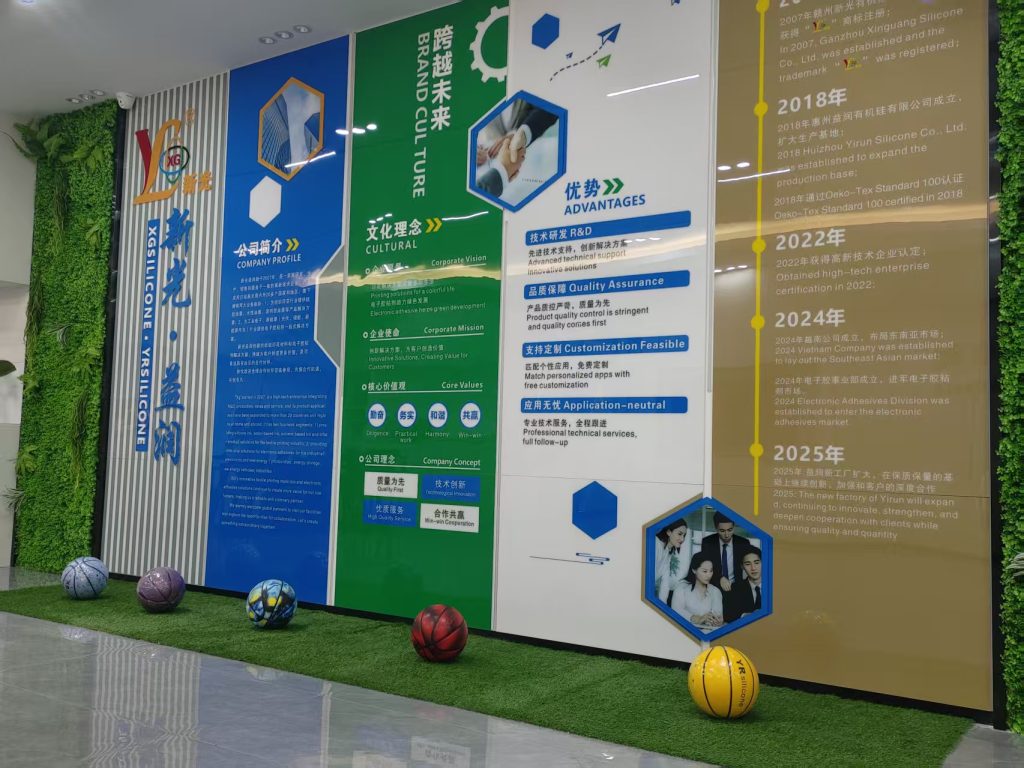
Founded in 2007, Xinguang Silicone Co., Ltd. and its manufacturing base Huizhou Yirun Silicone Co., Ltd. (established 2018) have built a reputation for quality, innovation, and global reach. With over 10,000 square meters of factory space and annual production capacity exceeding 3,000 metric tons, the company supplies silicone solutions to customers across Europe, North America, Asia, and the Middle East.
The company holds prestigious certifications including OEKO-TEX Standard 100, REACH, RoHS, NIKE RSL, and ADIDAS A-01—ensuring compliance with the world’s most demanding quality and environmental standards. Recognized as a National High-Tech Enterprise in 2022, Xinguang Yirun continues to invest in research and development to push the boundaries of silicone technology.
Making Your Choice: A Quick Decision Guide
| If you need… | Choose… |
|---|---|
| A standard glossy top coat for general textile printing | XG-399-3 |
| Extreme flexibility and abrasion resistance for stretch fabrics | XG-399HR-1 |
| Energy-efficient production without oven curing | XG-399-2 |
| Enhanced durability for industrial or automotive applications | XGS-110S |
GET IN TOUCH
Schedule a Visit
Frequently Asked Questions (FAQ)
Q1: What is the difference between glossy silicone and regular silicone ink?
Standard silicone inks provide basic adhesion and color, but glossy silicone top coatings are specifically formulated with high-refractive-index resins and self-leveling properties to create a mirror-like, high-gloss finish. They also offer enhanced scratch resistance, UV protection, and water repellency that standard silicone inks may not provide.
Q2: How do I apply glossy silicone for the best results?
For optimal results, use a low mesh count (80–120 mesh) to allow for a heavier ink deposit. Allow 2–5 minutes of natural leveling time at room temperature after printing before curing. For heat-cure products like XG-399-3, cure at 100–120°C; for self-drying products like XG-399-2, simply let the printed material sit at room temperature until fully cured. Ensure a dust-free environment during application to prevent surface imperfections.
Q3: Is glossy silicone safe for direct skin contact?
Yes, premium glossy silicone products from certified manufacturers like Xinguang Yirun comply with OEKO-TEX Standard 100, REACH, and major brand RSL standards (including NIKE RSL and ADIDAS A-01). Once fully cured, these products are safe for direct and prolonged skin contact, making them suitable for children’s wear, underwear, and intimate apparel.
Q4: Can glossy silicone be used on all types of fabrics?
Glossy silicone adheres well to a wide range of textiles including cotton, polyester, cotton blends, nylon, waterproof polyester, and technical sports materials. However, some formulations are better suited to specific substrates. For high-stretch fabrics, XG-399HR-1 is recommended. For standard applications, XG-399-3 works well. Always perform a test print on your specific fabric before full production.
Q5: How do I maintain the glossy finish after multiple washes?
The longevity of a glossy silicone finish depends on proper curing and product selection. For applications requiring frequent washing, choose high-elasticity formulations like XG-399HR-1, which are engineered to withstand repeated wash cycles without cracking or delamination. Follow recommended curing temperatures and times precisely—under-curing is the leading cause of premature finish degradation.
Need help selecting the right glossy silicone for your application? Contact Xinguang Yirun’s technical support team for personalized guidance and sample testing.
contract name:KingJoe Liu
cell/whatsapp/we chat:+86 13825409489