- Introduction
- What Is Screen Printing Silicone?
- How to Choose Screen Printing Silicone: 6 Critical Factors
- Best Screen Printing Silicone Products: A Breakdown
- Practical Tips for Successful Screen Printing
- Conclusion
- Frequently Asked Questions (FAQ)
- Q1: How do I know if screen printing silicone is the right choice for my project?
- Q2: What is the difference between screen printing silicone and plastisol ink?
- Q3: How long does screen printing silicone take to cure?
- Q4: Can screen printing silicone be used on all fabric types?
- Q5: Why does screen printing silicone sometimes peel off after washing?
- Q6: What mesh count should I use for screen printing silicone?
- Q7: Is screen printing silicone safe for baby clothing and direct skin contact?
Introduction
Screen printing silicone has become a go-to material for textile decoration, offering superior flexibility, durability, and a soft hand feel that traditional inks cannot match. Whether you are a small custom apparel shop or a large-scale manufacturer, selecting the right screen printing silicone is critical for producing high-quality prints that withstand repeated washing and stretching. This guide explains everything you need to know—from key selection factors to the most popular product types—so you can confidently choose the best screen printing silicone for your next project.
What Is Screen Printing Silicone?
Screen printing silicone is a two-component liquid silicone rubber (LSR) system formulated specifically for screen printing onto fabrics and other flexible substrates. It consists of a base silicone and a platinum‑based curing agent that requires heat to complete the crosslinking reaction. Once cured, the silicone forms a solid, rubbery layer that bonds tightly to textile fibers.
Unlike plastisol ink, which sits on top of the fabric, screen printing silicone penetrates and integrates with the yarns. This integration allows the print to move and stretch naturally with the garment, making it an ideal choice for activewear, swimwear, and performance apparel.
How to Choose Screen Printing Silicone: 6 Critical Factors
Selecting the optimal screen printing silicone requires careful evaluation of your specific application. Consider the following factors before making a decision.
1. Fabric Type and Substrate Compatibility
The fabric you are printing on largely determines which silicone formulation will work best.
- Cotton and cotton blends – Silicone adheres well to cotton, but curing temperatures should stay below 150°C to prevent scorching or shrinkage.
- Synthetic fabrics (polyester, nylon, spandex) – These materials require a highly elastic silicone with strong adhesion. Screen printing silicone can stretch and recover repeatedly without cracking, which is essential for yoga pants, cycling jerseys, and swimwear.
- Leather and PU – Look for silicone with enhanced bonding strength, such as high‑density formulations that create raised logos with excellent adhesion.
- Dark or dye‑heavy fabrics – Black polyester and similar fabrics often contain metal‑based dyes (tin, lead, sulfur) that can poison the platinum catalyst. In these cases, use an anti‑poisoning silicone formulation.
2. Curing Method and Production Volume
Different curing methods suit different scales of production.
- Heat curing (HTV) – The most common method. Requires temperatures of 100–150°C for 2–5 minutes. Provides the strongest adhesion and wash resistance. Ideal for industrial and high‑volume production.
- Room temperature curing (RTV) – Cures at ambient temperature over 24–48 hours. No special equipment needed, but slow. Best for prototypes or very small batches.
- UV curing – Cures in seconds under UV light. Fast but less widely available for screen printing silicone.
3. Desired Print Thickness and Visual Effect
Screen printing silicone can produce anything from a whisper‑thin coating to a pronounced 3D texture.
- Flat prints – Use lower mesh counts and multiple thin layers for a smooth, soft finish.
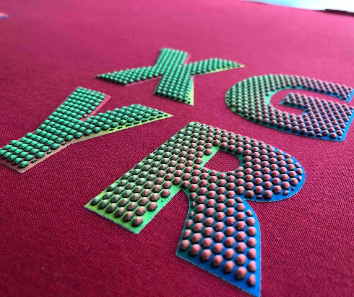
- High‑density / 3D prints – High‑density silicone can be printed in layers up to 3mm thick without collapsing during curing. This is perfect for embossed logos, raised lettering, and textured grip patterns.
- Surface finish – Choose glossy, matte, or satin finishes to match your design requirements. Glossy creates vibrant, eye‑catching effects; matte offers a premium, understated look.
4. Hardness (Shore A) and Hand Feel
The Shore A hardness of screen printing silicone typically ranges from 20 to 60.
- 20–30A – Soft and delicate. Suitable for close‑fitting garments like T‑shirts, underwear, and lightweight activewear.
- 40–60A – Firmer and more durable. Provides a stronger 3D presence and better abrasion resistance. Ideal for outerwear, bags, and heavy‑use apparel.
5. Opacity and Color Stability
Opacity determines how well the silicone covers the underlying fabric.
- For dark fabrics – Always use high‑covering white or pigmented screen printing silicone. Transparent silicone will not hide the base color.
- For light fabrics – Transparent or lightly pigmented silicone works well and gives a more subtle look.
Color stability ensures the print does not fade or migrate over time. Proper curing locks pigment particles into the silicone network, and adding UV absorbers further improves long‑term resistance.
6. Adhesion and Wash Durability
Not all screen printing silicone products offer the same bonding strength. If your garments will undergo repeated washing (e.g., uniforms, sportswear), choose a formulation with built‑in adhesion promoters or add a tackifier. Always conduct a wash test at 60°C for at least 10 cycles before full production.
Best Screen Printing Silicone Products: A Breakdown
The market offers several distinct types of screen printing silicone, each designed for specific applications. Below are the most popular and reliable options.
High‑Density Silicone Ink
Engineered to produce thick, raised prints with exceptional dimensional stability. Can be built up to 3mm without cracking or collapsing. Offers excellent elasticity and stretches with the fabric.
Best for: 3D logos, embossed lettering, textured grips, and premium brand marks on sportswear and outerwear.
Soft‑Hand Silicone Ink
Formulated to create minimal surface texture. The finished print feels almost indistinguishable from the base fabric.
Best for: Underwear, lightweight T‑shirts, and any garment where print feel is a top priority.
Glossy and Matte Silicone Inks
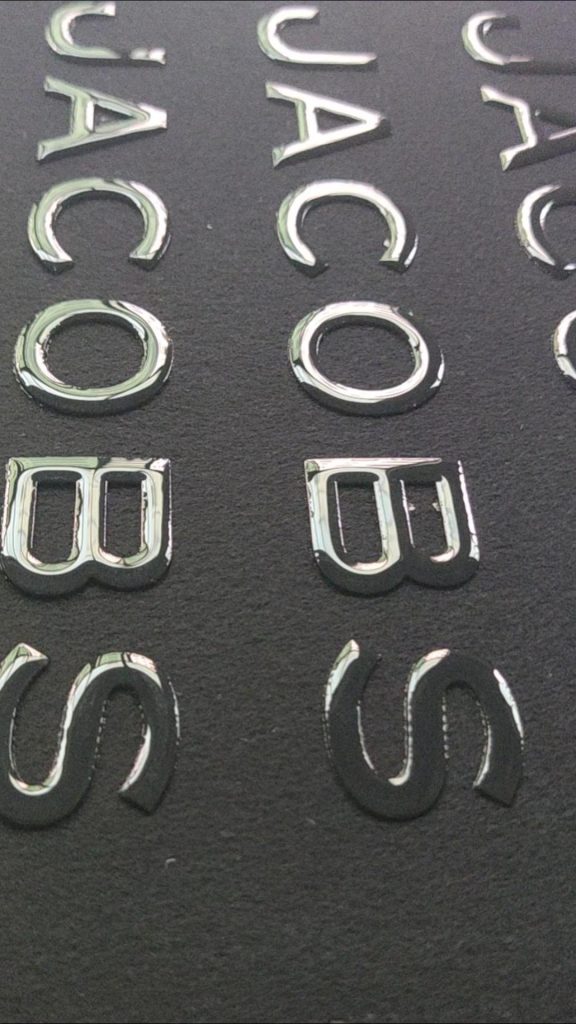
- Glossy – Delivers vibrant, reflective surfaces. Great for bold logos and attention‑grabbing designs.
- Matte – Provides a non‑reflective, understated finish. Ideal for high‑end fashion labels and minimalist aesthetics.
Anti‑Migration Silicone Ink
Prevents dye migration from dark synthetic fabrics into the printed silicone layer. Creates a barrier that keeps white and light‑colored prints pristine, even on polyester.
Best for: White or light prints on dark synthetic fabrics, especially polyester sportswear.
Heat Transfer Silicone Ink
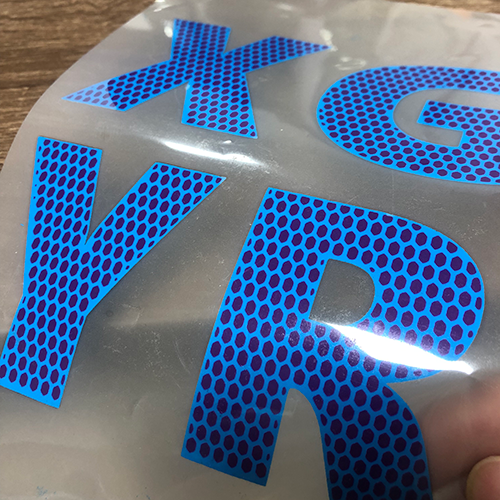
Used in an indirect printing process. The design is printed onto a PET film and then transferred to the garment using heat and pressure.
Best for: Custom apparel, complex multi‑color logos, and fast‑turnaround orders.
Transfer Printing Silicone
Optimized for high‑volume transfer production. Offers strong adhesion and durability for applying logos to finished garments without direct screen printing.
Best for: Applying pre‑printed designs to finished products, multi‑location branding, and quick reorders.
Practical Tips for Successful Screen Printing
Even with the best screen printing silicone, application technique matters. Follow these guidelines for consistent, high‑quality results.
- Screen mesh – Use mesh counts between 80 and 120. Lower counts may cause uncontrolled flow; higher counts can block the silicone.
- Mixing – Thoroughly mix the base and curing agent in the exact ratio specified. Incorrect ratios will affect curing time and adhesion.
- Curing temperature – Maintain 100–150°C. Too high can yellow or shrink fabric; too low results in sticky, under‑cured prints.
- Printing speed – Control speed at 10–30 cm per second. Excessively fast speeds reduce substrate wetting and adhesion.
- Always test – Perform stretch, wash, and peel tests before mass production.
Conclusion
Choosing the right screen printing silicone requires balancing fabric type, desired effect, production scale, and durability needs. High‑density silicone delivers striking 3D logos; soft‑hand silicone offers an invisible feel; anti‑migration silicone solves the challenge of dye bleeding on polyester. By matching the product to your specific application and following proper printing practices, you can achieve professional results that combine visual impact with exceptional durability.
For brands and manufacturers seeking a trusted partner, Huizhou Yirun Silicone Co., Ltd. brings over fifteen years of experience. With a 10,000‑square‑meter facility, annual capacity exceeding 3,000 metric tons, and certifications including Oeko‑Tex Standard 100, REACH, and ROHS, Yirun provides high‑quality screen printing silicone for customers around the world. Whether you need high‑density embossing, soft‑hand finishes, or anti‑migration properties, an experienced silicone ink manufacturer can offer both technical guidance and reliable products to bring your designs to life.
Frequently Asked Questions (FAQ)
Q1: How do I know if screen printing silicone is the right choice for my project?
Screen printing silicone is ideal when printing on stretchable fabrics (spandex, nylon, polyester), when prints must survive repeated washing without cracking, or when you need 3D or high‑density effects. It is particularly well‑suited for sportswear, activewear, swimwear, and performance apparel. For rigid substrates or projects where cost is the only concern, plastisol may still be an option.
Q2: What is the difference between screen printing silicone and plastisol ink?
Screen printing silicone consists of silicone polymers that cure into a soft, highly elastic layer that stretches with the fabric. Plastisol ink is made of plastic particles suspended in a liquid carrier; it produces vibrant but stiffer prints that tend to crack on stretchable fabrics. Silicone is also PVC‑free and phthalate‑free, making it a more environmentally friendly choice.
Q3: How long does screen printing silicone take to cure?
Curing time depends on the method. Heat curing (most common) takes 2–5 minutes at 100–150°C. Room temperature curing requires 24–48 hours. UV‑curable silicone cures in seconds under UV light.
Q4: Can screen printing silicone be used on all fabric types?
Yes, screen printing silicone works on most natural and synthetic fabrics, including cotton, polyester, nylon, spandex, and leather. However, different fabrics may require different silicone formulations or pre‑treatment to achieve optimal adhesion. For example, synthetics need high‑elasticity silicone, while leather benefits from formulations with enhanced bonding strength.
Q5: Why does screen printing silicone sometimes peel off after washing?
Peeling is typically caused by incorrect curing temperature or time (under‑cured prints peel easily), incompatible substrate (some fabrics need a primer or pre‑treatment), or improper catalyst mixing (too much or too little curing agent weakens adhesion). Ensuring proper curing conditions, clean fabric surfaces, and correct mixing ratios will solve most peeling issues.
Q6: What mesh count should I use for screen printing silicone?
Use mesh counts between 80 and 120. Because silicone particles are relatively large, higher mesh counts may block the screen, while lower counts can cause excessive ink deposition and poor control.
Q7: Is screen printing silicone safe for baby clothing and direct skin contact?
Yes, high‑quality screen printing silicone is safe for direct skin contact. Reputable suppliers provide silicone that complies with international safety standards such as REACH, ROHS, and Oeko‑Tex Standard 100, which certify the material is free from harmful substances including phthalates, heavy metals, and other restricted chemicals. Always verify that your supplier provides appropriate certification documentation.