- Introduction
- How a Silicone Manufacturer Built a Global Network
- Why International Expansion Matters When Choosing a Silicone Supplier
- What Makes a High‑Quality Silicone Ink?
- Understanding Yirun Silicone’s Product Portfolio
- Certifications and Quality Assurance: The Foundation of Trust
- Practical Tips for Choosing Your Silicone Ink Supplier
- Conclusion
- Frequently Asked Questions (FAQ)
- Q1: Why did Yirun Silicone choose to expand to Vietnam?
- Q2: What certifications does Yirun Silicone hold, and why do they matter?
- Q3: How do I know which type of silicone ink is right for my fabric?
- Q4: What wash test standards should I expect from a quality silicone ink?
- Q5: Can silicone ink be used on all fabric types?
- Q6: What is the difference between heat‑cured and room‑temperature silicone?
- Q7: How does silicone ink compare to plastisol in terms of environmental safety?
- Q8: What should I do if my silicone print peels off after washing?
Introduction
In the world of textile screen printing, the materials you choose can mean the difference between a design that lasts and one that fades, cracks, or peels after just a few washes. For garment manufacturers, sportswear brands, and custom apparel businesses, finding a reliable silicone ink partner is not just about quality—it is about trust, consistency, and the ability to scale with your production needs.
This is the story of how a silicone manufacturer that began in a single facility in Ganzhou, China, grew into a global player with production and sales networks spanning China, Vietnam, Indonesia, and beyond. More importantly, this article will help you understand what to look for when choosing a silicone ink supplier for your business—and how Yirun Silicone’s remarkable journey reflects the very qualities that matter most.
How a Silicone Manufacturer Built a Global Network
From Ganzhou to Huizhou: A Foundation for Growth
Every great manufacturing story starts with a single decision. For Yirun Silicone, that decision was made in 2007, when Ganzhou Xingguang Organic Silicone Co., Ltd. was established in Jiangxi Province, China. At that time, the company’s mission was focused on one thing: developing and producing high-quality silicone materials for textile printing and related industries. The company also registered the “XG” trademark, establishing a brand identity that would later gain recognition across the global silicone materials field.
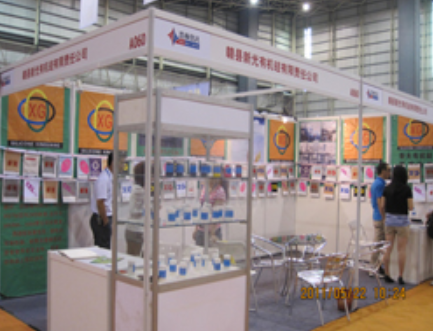
For the first decade, the company built a reputation for reliable silicone inks, earning the trust of domestic customers through consistent quality and technical expertise. However, as demand grew and export opportunities expanded, the leadership recognized a crucial challenge: the Ganzhou facility, while excellent for domestic distribution, was not ideally positioned for the growing number of international buyers.
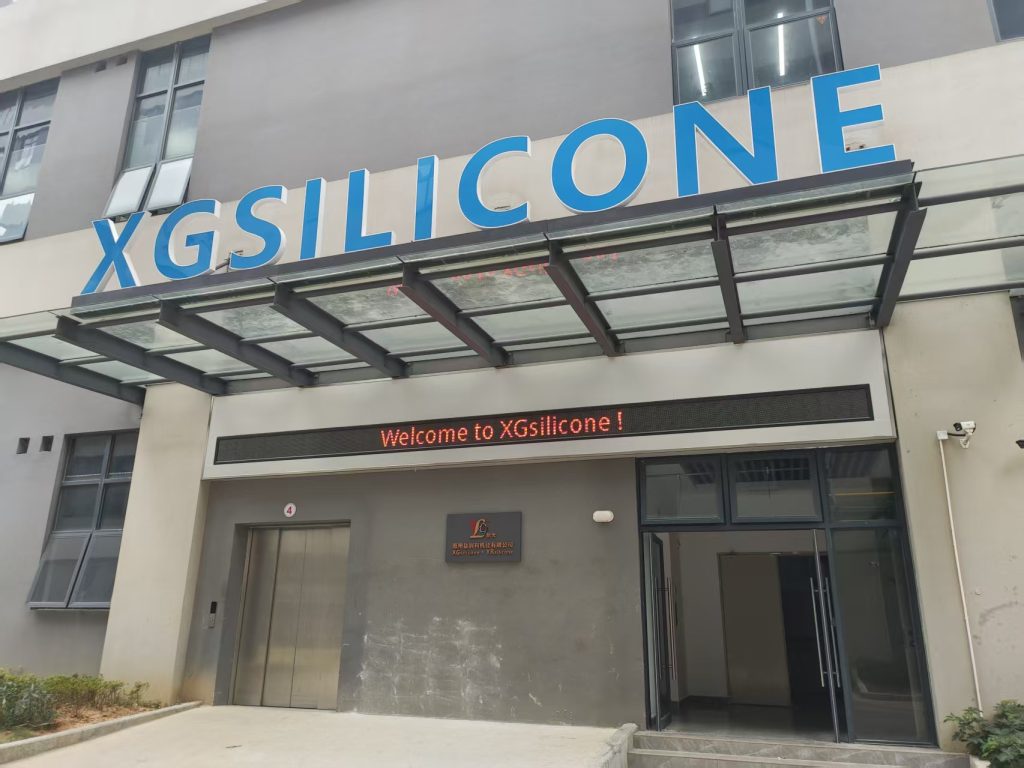
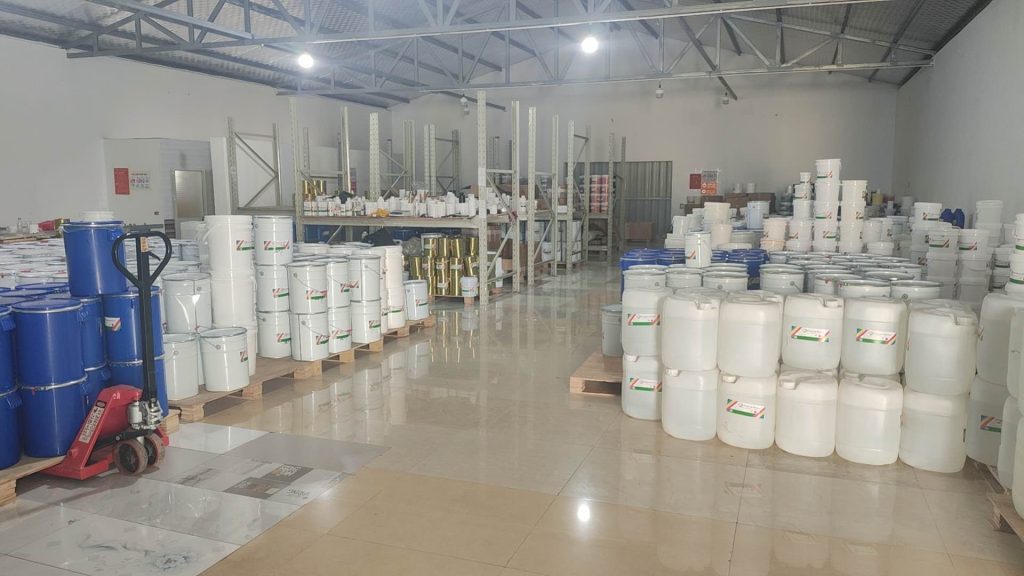
This led to a pivotal expansion in 2017–2018 with the establishment of Huizhou Yirun Organic Silicone Co., Ltd. in Guangdong Province. Located in the Pearl River Delta—one of China’s most dynamic manufacturing and export hubs—the new facility offered significant advantages: closer proximity to major ports, better access to international shipping routes, and the ability to serve overseas customers with faster lead times and lower logistics costs. The Huizhou factory spans over 10,000 square meters and has an annual production capacity exceeding 3,000 metric tons, enabling the company to meet both domestic and international demand for liquid silicone rubber and silicone inks.
The Vietnam Expansion: Strategic Access to Southeast Asia’s Apparel Industry
The next chapter of Yirun’s journey began in 2024, when the company established a subsidiary in Vietnam. For those unfamiliar with the global textile landscape, this move was far more than just opening another office. Vietnam has emerged as one of the world’s most important garment manufacturing hubs, attracting major sportswear brands and apparel companies seeking diversified supply chains. By establishing a physical presence in Vietnam, Yirun positioned itself to serve these manufacturers directly, with local sales and technical support teams ready to assist customers on the ground.
Today, Yirun’s global footprint extends even further. The company maintains sales offices in both Vietnam and Indonesia, with customers across more than thirty countries including Cambodia, Bangladesh, Pakistan, India, Italy, and throughout Europe and North America.
Why International Expansion Matters When Choosing a Silicone Supplier
When evaluating potential silicone ink partners, it is easy to focus solely on product specifications—hardness ratings, wash test results, and certifications. While these technical details are important, there is a broader question you should also consider: what kind of partner is this company building itself to be? A supplier’s expansion strategy often reveals as much about their long-term commitment as any product datasheet.
Faster Lead Times and Lower Logistics Costs
A supplier with strategically located facilities can deliver products faster and at lower shipping costs. For apparel brands operating on tight production schedules, a supplier with regional presence means the difference between meeting a seasonal launch deadline and missing it entirely. Yirun’s Vietnam subsidiary, for instance, serves manufacturers directly within that country, reducing cross-border shipping time and complexity.
Local Technical Support and Expertise
Silicone screen printing is not a simple “apply and cure” process. Achieving optimal results often requires fine-tuning, troubleshooting, and close collaboration between the supplier and the printer. A supplier with local sales and technical teams—like Yirun in Vietnam and Indonesia—can provide on-the-ground support, helping customers resolve issues quickly without waiting for overseas communication.
Supply Chain Reliability and Scalability
A single-facility supplier carries inherent risk: if that facility faces production disruptions, customers may be left scrambling for alternatives. Suppliers with multiple manufacturing locations or regional distribution networks offer greater supply chain resilience. Yirun’s Ganzhou and Huizhou facilities, combined with its Southeast Asian sales network, provide a more robust and flexible supply chain capable of scaling with customer growth.
What Makes a High‑Quality Silicone Ink?
Beyond the supplier’s geographic footprint, you also need to evaluate the products themselves. Quality silicone inks share several key characteristics.
Durability and Wash Resistance
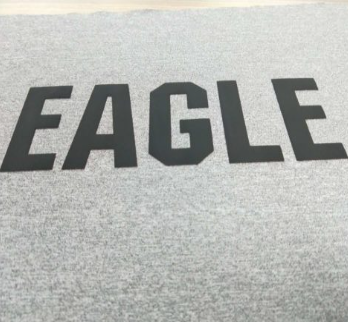
Silicone inks are prized for their exceptional durability and ability to withstand repeated washing without cracking or fading. Unlike traditional plastisol inks, which sit on the fabric surface and tend to crack when stretched, silicone inks bond directly with textile fibers and can stretch up to 300–400 percent without breaking. This makes them ideal for performance apparel, swimwear, yoga pants, and any garment that undergoes frequent washing or high-stress movement.
Soft Hand Feel and Comfort
A print that feels stiff or heavy can ruin an otherwise well-designed garment. High-quality silicone inks form a soft, smooth, and comfortable pattern on fabric, moving naturally with the material rather than sitting rigidly on top. This quality is particularly important for close-fitting garments such as T-shirts, underwear, and lightweight activewear, where print feel directly affects wearer satisfaction.
Environmental Compliance and Safety
Increasingly, global brands are demanding materials that meet stringent environmental and safety standards. Yirun’s silicone products comply with REACH, ROHS, and Oeko‑Tex Standard 100 certifications, ensuring they are free from harmful substances such as phthalates, heavy metals, and other restricted chemicals. For brands exporting to markets with strict chemical regulations, working with a certified supplier is not optional—it is essential.
Color Stability and Anti-Migration Properties
One of the most frustrating problems in textile printing is dye migration, where dyes from dark synthetic fabrics bleed into light-colored silicone prints, causing discoloration. This is especially common on polyester sportswear. Yirun offers anti-migration silicone inks that create a barrier preventing dye transfer, keeping white and light-colored prints pristine even on the most challenging dark synthetic fabrics.
Understanding Yirun Silicone’s Product Portfolio
To help you navigate the range of silicone inks available, the table below summarizes the most common product types and their recommended applications.
| Product Type | Key Characteristics | Best For |
|---|---|---|
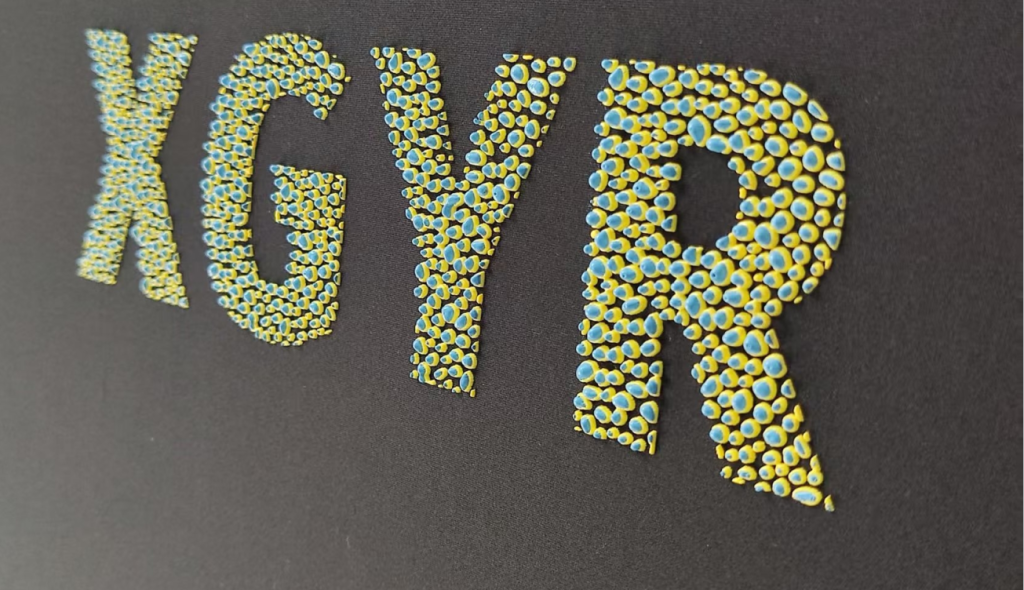
| High-Density Silicone Ink | Thick, raised prints up to 3mm; excellent dimensional stability; stretches with fabric | 3D logos, embossed lettering, textured grips on sportswear |
| Soft-Hand Silicone Ink | Minimal surface texture; integrates completely with fabric fibers | Underwear, lightweight T‑shirts, close‑fitting activewear |
| Transfer Printing Silicone | Strong adhesion, durable finish, designed for high‑volume production | Custom apparel, multi‑color designs, quick reorders |
| Anti-Migration Silicone | Prevents dye bleeding from dark synthetic fabrics | White or light prints on polyester sportswear |
| Glossy / Matte Silicone Ink | Vibrant reflective surface (glossy) or subtle non‑reflective finish (matte) | Brand logos (glossy), premium fashion labels (matte) |
| Heat Transfer Silicone Ink | Applied via PET film and heat press; ideal for complex artwork | Small batches, multi‑location branding, finished garment decoration |
Yirun also produces a range of specialty products including embossed silicone ink, flocking silicone ink, 3D mold silicone, silicone pigments, and silicone catalysts for custom formulations.
Certifications and Quality Assurance: The Foundation of Trust
When a brand selects a silicone ink supplier, they are putting their own reputation on the line. A print failure—whether cracking, peeling, discoloration, or failing a wash test—reflects poorly not on the ink manufacturer but on the apparel brand that chose them.
This is why Yirun’s certification portfolio matters. In 2018, the same year it established the Huizhou facility, the company earned Oeko‑Tex Standard 100 certification, a globally recognized standard for textile materials free from harmful substances. In 2022, Yirun was recognized as a National High‑Tech Enterprise, a designation reserved for companies demonstrating strong research and development capabilities and technological advancement.
The company also maintains REACH and ROHS compliance, ensuring its products meet European Union regulations on chemical safety. For customers in markets with strict regulatory frameworks, these certifications provide documented proof that Yirun’s silicone inks are safe, compliant, and reliable.
Practical Tips for Choosing Your Silicone Ink Supplier
Before you commit to a supplier, consider asking these five questions:
- Do they have experience with your specific fabric type? Silicone adheres differently to cotton versus polyester versus leather. A supplier that understands these nuances can recommend the right formulation for your substrate.
- Can they provide third‑party certification documentation? REACH, ROHS, and Oeko‑Tex certification are not just marketing terms—they should be verifiable.
- What is their wash test standard? Ask specifically about test conditions. Yirun, for example, offers silicone that passes Adidas and Nike wash testing standards at 60°C for ten cycles.
- Do they offer technical support for troubleshooting? No supplier is perfect, but the best ones help you solve problems when they arise.
- Can they scale with your production volume? A supplier with annual capacity of 3,000 metric tons can handle significant volume growth without compromising quality.
Conclusion
Yirun Silicone’s journey from a single facility in Ganzhou to a global manufacturing and sales network spanning China, Vietnam, and Indonesia is more than just an expansion story. It is a testament to the qualities that matter most in a silicone ink partner: a commitment to quality, investment in R&D, strategic thinking about customer needs, and the ability to grow alongside the brands they serve.
Whether you are a sportswear brand seeking durable, stretchable prints; a fashion label looking for soft-hand finishes; or a custom printer in need of reliable technical support, the choice of silicone supplier has real consequences for your products and your reputation. Yirun’s global footprint, comprehensive product portfolio, and strong certification record position it as a partner worth considering for businesses looking to elevate their textile printing capabilities.
The next time you evaluate a silicone ink supplier, look beyond the product specifications. Ask about their history. Ask about their expansion. Ask about how they are building for the future. The answers may tell you more than any datasheet ever could.
Frequently Asked Questions (FAQ)
Q1: Why did Yirun Silicone choose to expand to Vietnam?
Vietnam has become one of the world’s leading apparel manufacturing hubs, attracting major sportswear brands and garment producers seeking diversified supply chains. By establishing a Vietnam subsidiary in 2024, Yirun positioned itself to serve these manufacturers directly, offering faster lead times, lower logistics costs, and local technical support. This strategic expansion allows Yirun to be physically closer to its Southeast Asian customers, reducing cross‑border shipping complexity and enabling quicker responses to customer needs.
Q2: What certifications does Yirun Silicone hold, and why do they matter?
Yirun holds Oeko‑Tex Standard 100 certification (earned in 2018), REACH compliance, ROHS compliance, and was recognized as a National High‑Tech Enterprise in 2022. These certifications matter because they provide documented proof that Yirun’s silicone products are free from harmful substances including phthalates, heavy metals, and other restricted chemicals. For apparel brands exporting to markets with strict chemical regulations—such as the European Union or North America—working with a certified supplier is essential for regulatory compliance and consumer safety.
Q3: How do I know which type of silicone ink is right for my fabric?
The right silicone ink depends primarily on your fabric type, desired effect, and durability requirements. For stretchable fabrics such as spandex, nylon, or polyester, choose a highly elastic silicone formulation. For 3D logos or raised textures, select high‑density silicone ink. For close‑fitting garments where print feel is a priority, soft‑hand silicone ink is the best choice. For dark synthetic fabrics prone to dye migration, anti‑migration silicone ink prevents discoloration. Yirun offers a full range of product types and provides technical consultation to help customers select the optimal formulation.
Q4: What wash test standards should I expect from a quality silicone ink?
A high‑quality silicone ink should withstand repeated washing without cracking, fading, or peeling. Industry‑standard testing often involves ten cycles at 60°C (140°F). Yirun’s silicone products, for example, pass wash testing at 60°C for ten cycles and meet the testing standards of major international brands such as Adidas and Nike. Before committing to a supplier, always ask for specific wash test conditions and results to ensure the product meets your quality requirements.
Q5: Can silicone ink be used on all fabric types?
Yes, silicone ink can be used on most natural and synthetic fabrics, including cotton, polyester, nylon, spandex, and leather. However, different fabric types may require different silicone formulations or pre‑treatment to achieve optimal adhesion. For example, synthetic fabrics benefit from high‑elasticity silicone, while leather requires formulations with enhanced bonding strength. The best approach is to consult with the supplier directly, providing fabric samples if possible, so they can recommend the most appropriate product for your specific application.
Q6: What is the difference between heat‑cured and room‑temperature silicone?
Heat‑cured silicone (the most common type) requires temperatures between 100°C and 150°C for 2–5 minutes to fully crosslink and achieve maximum adhesion and durability. This method offers the strongest wash resistance and is ideal for industrial production. Room‑temperature curing silicone cures at ambient temperature over 24–48 hours, requiring no specialized heating equipment. While more flexible for small‑batch production, room‑temperature silicone generally offers lower adhesion strength and is best suited for prototyping or low‑volume applications.
Q7: How does silicone ink compare to plastisol in terms of environmental safety?
Silicone ink is significantly more environmentally friendly than plastisol. Plastisol contains PVC and phthalates, which are plasticizers linked to environmental and health concerns. Silicone ink, by contrast, is PVC‑free and phthalate‑free, and high‑quality formulations comply with REACH, ROHS, and Oeko‑Tex standards. Additionally, silicone production generates fewer volatile organic compounds (VOCs) than traditional plastisol manufacturing. For brands prioritizing sustainable and non‑toxic materials, silicone ink is the clear choice.
Q8: What should I do if my silicone print peels off after washing?
Peeling is typically caused by one of three issues: incorrect curing temperature or time (under‑cured prints peel more easily), incompatible substrate (some fabrics require a primer or pre‑treatment), or improper catalyst mixing (too much or too little curing agent weakens adhesion). To resolve peeling, first verify your curing conditions match the product specifications. Second, test the silicone on a small fabric sample before full production. If problems persist, consult your silicone supplier for technical support—most reputable suppliers, including Yirun, offer troubleshooting assistance to help customers achieve optimal result.